Used trucks
Requirements involving general freight, rigid trucks or application-specific body needs.


Loading DRIVE OCEAN
USED COMMERCIAL VEHICLE SOURCING
Commercial vehicle sourcing begins with use, specification and destination context — each requirement is reviewed by a person.
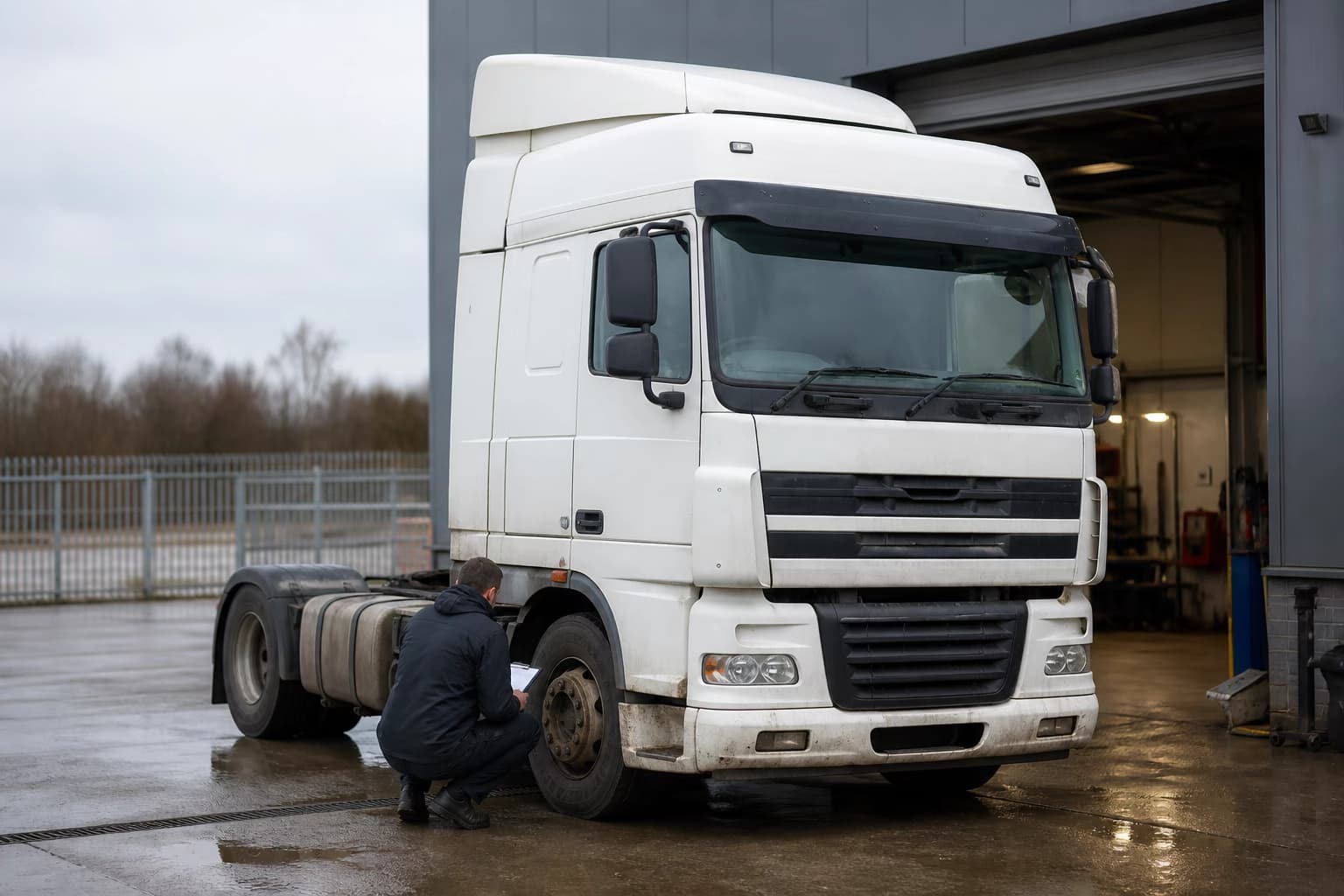
Specification-led reviewUse, configuration and destination context are checked case by case.
01Not a commercial vehicle catalogue
02No automatic quotation or availability
03Human review before the next step
WHAT WE CAN DISCUSS
The vehicle category is only the starting point. Intended use, configuration and destination context shape what a manager needs to review.
Requirements involving general freight, rigid trucks or application-specific body needs.
Discussions that begin with haulage use, axle arrangement and operating context.
For cargo, service, people-moving or other operational requirements.
Passenger-capacity requirements reviewed with route and destination information.
Body, equipment and operating requirements need a fuller brief before any feasibility conversation.
THE REQUEST BRIEF
A commercial vehicle can be assessed more clearly when the operating need is described before a category or vehicle is discussed.
Missing details can be clarified in conversation. They are not assumed.
Describe the job: freight, passenger movement, service work or another operating purpose.
Share the configuration required or the operating constraints that make it relevant.
State the load, passenger capacity or usable-volume context that matters to the request.
Identify known engine, fuel or emission expectations without assuming eligibility.
Explain any body, cabin, equipment or superstructure requirement that is essential.
Indicate the intended quantity and whether an alternative or phased discussion is possible.
Share the destination context early. Import suitability, documents and final route details are confirmed manually for the actual case.
HOW A REQUIREMENT IS REVIEWED
Each stage gives a manager the context to clarify the request before availability, specifications, documents, price or destination fit are discussed.
Use, configuration, capacity, body needs and destination context are gathered into one workable request.
A manager may ask follow-up questions where a requirement needs more context before it can be assessed.
Vehicle condition, documents, price, quantity and practical sourcing options are considered for the actual request.
If there is a meaningful path to continue, the conversation moves forward through a human contact point.
WHY HUMAN CONFIRMATION MATTERS
Commercial specifications may affect what needs to be checked. A request is not treated as a statement that a vehicle, configuration or document set is already suitable.
Axles, capacity, emissions, bodywork and equipment need confirmation against the individual request.
Destination-country and port information starts a manual review; it does not guarantee import eligibility.
Available materials and document requirements depend on the vehicle and the actual destination context.
No fixed price, supply volume or response outcome is implied by this service page.
RELATED QUESTIONS
A short WhatsApp question is welcome if you are still preparing the brief.
START WITH THE OPERATING NEED
Share the use, key specifications, quantity and destination context. A manager reviews what can be discussed for the individual case.